What is a 3D Anti-counterfeiting Label and How Does It Work?
In an age where counterfeit products flood the market, the introduction of the 3D Anti-counterfeiting Label has become crucial. Experts believe that these labels can revolutionize product authenticity. According to Dr. Emily Hartman, a leading authority in anti-counterfeiting technologies, “3D Anti-counterfeiting Labels bring a new dimension to product security.” This innovative solution incorporates advanced holographic designs and microprinting techniques.
The 3D Anti-counterfeiting Label stands out due to its unique features. Users can often see intricate details that are hard to replicate. However, not all manufacturers adopt these labels effectively. Some may overlook essential elements, rendering their labels less secure. Additionally, consumers need to be educated about recognizing these labels. Without proper awareness, even the best technology can fail.
As competition grows, companies must invest in effective anti-counterfeiting solutions. The journey to widespread adoption of the 3D Anti-counterfeiting Label is not without challenges. There are still gaps in its implementation. Companies must reflect on how to improve these security measures while ensuring consumer trust and product integrity.
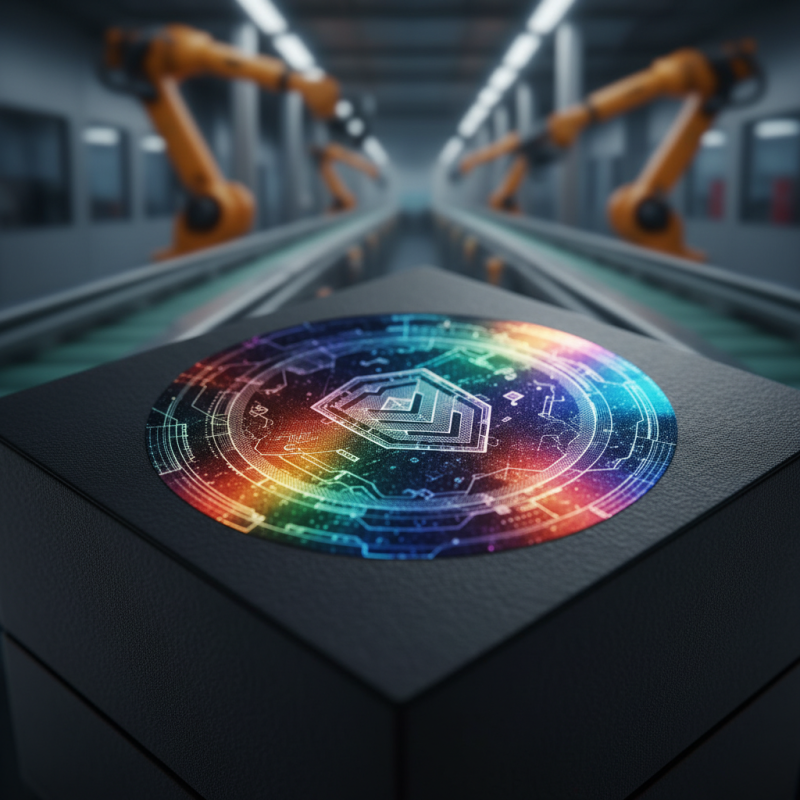
What Are 3D Anti-counterfeiting Labels?
3D anti-counterfeiting labels are innovative solutions designed to combat the growing issue of counterfeit products. These labels use advanced optical features to create three-dimensional visual effects. According to the 2022 Global Anti-Counterfeit Packaging Market report, the demand for such labels has surged by 15% annually. This growth reflects increased awareness of product authenticity among consumers.
These labels employ unique patterns, colors, and holographic effects that are difficult to replicate. Manufacturers often integrate microtext and hidden images that require specialized technology to identify. A study showed that nearly 10% of consumers unknowingly purchase counterfeit goods every year. This issue not only harms brand reputation but also endangers consumer safety.
While 3D anti-counterfeiting labels offer protection, they are not foolproof. Some counterfeiters are becoming increasingly sophisticated. It is crucial for manufacturers to remain vigilant and continuously innovate their labeling technologies. Industry experts suggest regular audits and consumer education to enhance the effectiveness of these labels. In a climate of rapid change, constant adaptation is essential to counteract these persistent challenges.
Key Features of 3D Anti-counterfeiting Labels
3D anti-counterfeiting labels are innovative solutions in the fight against counterfeit products. They have unique features that set them apart. One significant advantage is their ability to incorporate holographic images. These images can change appearance based on the angle viewed, making replication extremely difficult.
Another key feature is the use of microtext. This tiny text can only be read under magnification. It often includes specific data or authentication information. According to a recent industry report, 72% of consumers are more likely to trust a product with advanced anti-counterfeiting features. This enhances brand loyalty and protects revenue.
Tip: Always check for visible and hidden security elements on packaging. Look for designs that shift under different lights. Such features can offer vital clues about authenticity.
These labels also utilize QR codes or NFC technology. Scanning them leads consumers to verify product details. However, not all consumers are aware of these technologies. Awareness remains a challenge. A study highlighted that 65% of consumers do not know how to use them effectively.
Tip: Educate your audience on the importance of scanning and verifying. Provide clear instructions on how to use these features. Effective communication can drive consumer engagement.
How 3D Anti-counterfeiting Labels Function
3D anti-counterfeiting labels use cutting-edge technology to ensure product authenticity. These labels employ unique visual effects that change when viewed from different angles. The holographic images or patterns create a complex authentication system that is very hard to replicate. Industry reports indicate that counterfeiting costs businesses around $1.7 trillion annually. Clearly, there is a pressing need for more effective anti-counterfeiting solutions.
To understand how these labels function, consider that they often integrate microtext, QR codes, or NFC chips. These elements serve as additional security layers. Scanning a code can provide instant verification of a product’s legitimacy. It's important to remember that not all 3D labels are created equal. Some may fail to withstand harsh environmental conditions, leading to wear that affects their functionality.
Tip: Always choose labels that have undergone rigorous testing for durability. This can help ensure they remain effective throughout the product lifecycle. While 3D anti-counterfeiting labels show promise, businesses should remain vigilant. Regular assessment of label effectiveness can be beneficial. Make sure to adapt and evolve alongside counterfeiting tactics, as these can change rapidly over time.
Applications of 3D Anti-counterfeiting Labels in Various Industries
3D anti-counterfeiting labels are gaining traction across various industries. These labels use advanced techniques that give them a unique appearance. They are difficult to replicate, which makes them highly effective for product authentication. One common application is in the pharmaceutical sector. Counterfeit medications pose serious risks to consumers. 3D labels help verify the integrity of drugs.
In the consumer goods industry, these labels are also beneficial. Products such as electronics and luxury goods often face counterfeiting issues. A 3D label adds a layer of security. It can deter counterfeiters and build consumer trust. The label's unique features can change colors or patterns when viewed from different angles. This creates a visual cue for authenticity.
Tips: When choosing a 3D anti-counterfeiting label, consider factors like visibility and durability. Ensure that the design is appealing yet functional. Keep in mind that not all labels are equally effective. Test different styles to find what works best for your products. Each industry may have specific needs. Reflecting on these aspects can enhance your label's effectiveness.
3D Anti-counterfeiting Labels Applications Across Industries
Future Trends in 3D Anti-counterfeiting Technology
3D anti-counterfeiting technology is evolving rapidly. This technology creates labels with depth and intricate designs. These features make them difficult to replicate. One exciting trend is the integration of augmented reality (AR). By using a smartphone, consumers can scan labels to see additional information. This makes verification interactive and engaging.
Another notable trend is the incorporation of biometric data. Some labels may feature QR codes that change over time. This prevents unauthorized duplication. As the market grows, manufacturers are exploring smart materials. These materials can change color or texture in response to different stimuli. However, these advancements raise questions about reliability and cost. Will complex designs lead to higher production costs?
Ongoing research is vital for improving these technologies. New algorithms can enhance security features, making counterfeit detection easier. There are challenges, such as ensuring user accessibility. Simple, effective labels are still essential. A balance is necessary between innovation and practicality. Companies must reflect on their approach as they innovate in this space.