Why Choose a Box Pouch for Your Packaging Needs?
In today's competitive market, packaging plays a crucial role in product appeal. Research shows that 73% of consumers make purchase decisions based on packaging design. A Box Pouch can be a game-changer in this aspect. Its unique structure effectively showcases product contents while ensuring durability.
These pouches offer versatility. They are suitable for various products, from snacks to cosmetics. According to a recent industry report, the flexible packaging market is projected to grow at a CAGR of 4.2% through 2025. This growth indicates a rising interest in innovative packaging solutions like Box Pouches. However, businesses must consider their environmental impact. The sustainability of materials used in Box Pouches can affect consumer perception significantly.
Many companies face challenges in balancing aesthetics and functionality. Some overlook the importance of sustainable options, leading to wasted resources. This situation requires reflection on packaging choices. Box Pouches stand out not just for their practicality but also for the potential to enhance brand image. Choosing the right packaging is essential for success in today's market.
Understanding Box Pouches: Definition and Types
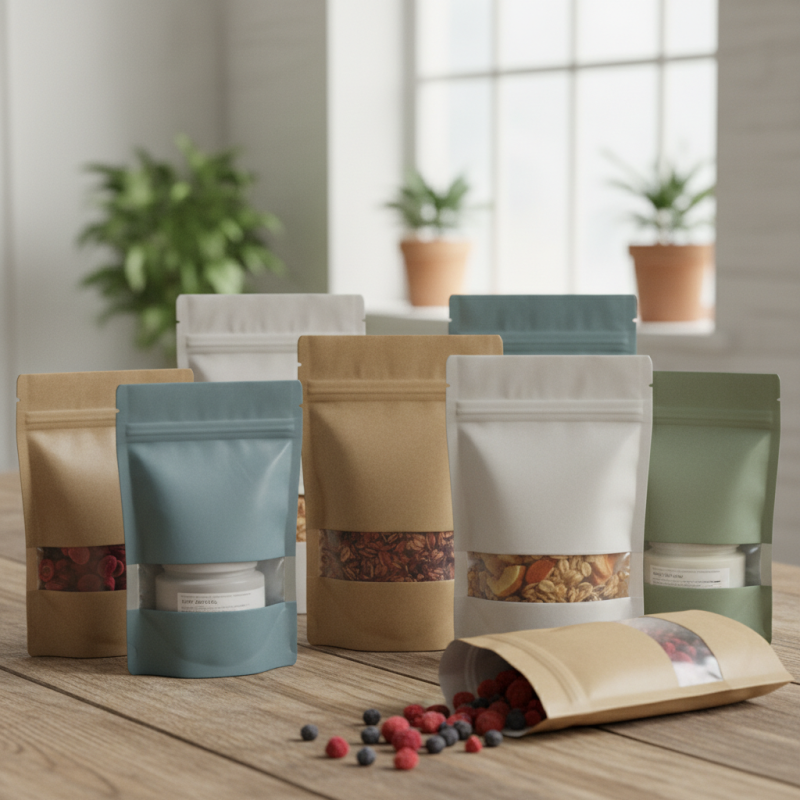
Box pouches offer a versatile solution for packaging various products. These unique containers can take multiple forms. They often serve as stand-up pouches, flat-bottomed options, or even resealable designs. Each type provides distinct advantages, making them suitable for different applications.
For instance, stand-up box pouches are excellent for displaying snacks or beverages. Their design allows them to hold their shape while standing on shelves. Flat-bottomed pouches, on the other hand, are ideal for bulk items. They maximize storage efficiency. Consumers appreciate the ease of use and accessibility of these options.
However, not every box pouch fits every product. Some may lack sufficient durability, making them unsuitable for heavier items. This mismatch can lead to packaging failures. It's also worth reflecting on the environmental impact of materials. Sustainable choices can sometimes be overlooked. Choosing the right type requires a balance between function and responsibility.
Key Advantages of Using Box Pouches for Packaging
Box pouches have gained popularity for various packaging needs. Their versatile design offers a sleek, modern look that appeals to consumers. According to a recent study by Packaging Strategies, flexible packaging, including box pouches, has grown by 5% annually. This trend reflects a shift towards more sustainable and consumer-friendly packaging solutions.
One significant advantage of box pouches is their space efficiency. They require less material than traditional boxes, which can reduce costs. Studies show that up to 20% less material is used compared to rigid packaging. Additionally, box pouches are lightweight, making shipping easier. However, brands must evaluate their durability. Not all materials hold up equally well, leading to product spoilage. This can tarnish brand reputation.
Furthermore, the resealable feature of box pouches enhances user experience. Reports indicate that 70% of consumers prefer packaging that is easy to open and close. This functionality can lead to increased customer satisfaction. Brands might overlook this aspect, focusing too heavily on aesthetics. In the end, while box pouches offer numerous benefits, careful selection of materials and designs is crucial for maximizing their advantages.
Why Choose a Box Pouch for Your Packaging Needs? - Key Advantages of Using Box Pouches for Packaging
| Advantage | Description | Sustainability | Cost Efficiency |
| Versatility | Suitable for various products ranging from food to non-food items. | Often made from recyclable materials, reducing environmental impact. | Reduced shipping costs due to lightweight and compact design. |
| Visual Appeal | Customizable designs enhance product visibility and brand recognition. | Supports eco-friendly printing options for branding. | Cost-effective printing processes that achieve high-quality results. |
| Protection | Provides excellent barrier properties to keep products fresh. | Can be produced with sustainable materials while offering strong protection. | Minimizes product damage during transportation, reducing losses. |
| Convenience | Easy to use with resealable options to enhance customer experience. | Easily recyclable or biodegradable options available. | Efficient storage and handling leads to reduced operational costs. |
Versatility of Box Pouches in Different Industries
Box pouches have gained immense popularity across various industries due to their versatility. In the food sector, reports indicate that flexible packaging solutions like box pouches have contributed to a 25% increase in product shelf life. Their resealable feature allows consumers to store products easily. Snack brands, for instance, favor these pouches for their ability to keep items fresh.
In the cosmetics industry, box pouches are not just functional; they also provide an aesthetic appeal. A study found that 65% of consumers are drawn to innovative packaging designs. Box pouches enable brands to showcase their products creatively. However, not all brands have embraced this trend, often sticking to traditional packaging. This reluctance can stem from cost concerns or a lack of understanding of consumer preferences.
Moreover, the sustainability issue remains a challenge. While many box pouches are recyclable, not all are eco-friendly. Industry data shows that around 50% of consumers prioritize sustainable packaging. Brands that fail to adapt risk losing their competitive edge. Finding the balance between cost-effectiveness and sustainability in packaging is an area that requires more reflection.
Environmental Impact and Sustainability of Box Pouches
Box pouches offer a unique solution for sustainable packaging needs. They are typically made from eco-friendly materials. This reduces the environmental impact compared to conventional plastic packaging. Many consumers prefer products with minimal environmental footprints. Box pouches can be recyclable or even compostable, depending on their materials.
However, there are challenges to consider. While these pouches are practical, not all are produced equally. Some box pouches still use harmful adhesives or coatings. This can compromise their eco-friendly promise. It's key for consumers to research the materials used in production. Transparency from manufacturers can make a significant difference.
Moreover, the life cycle of packaging should be considered. Even biodegradable options may not break down effectively in all conditions. Education on proper disposal is necessary. Awareness of these details can enhance the positive impact of choosing box pouches. Understanding these nuances helps consumers make informed decisions for a sustainable future.
Selecting the Right Box Pouch for Your Product Packaging Needs
When selecting the right box pouch for your product packaging, various factors come into play. The material is crucial; it directly impacts durability and presentation. Many box pouches are made from laminate, plastic, or paper. Each material has unique qualities that suit different products. Consider the type of closure — zip locks or heat seals. These details impact usability. If the closure fails, it can lead to spoilage.
Size is another essential aspect. A poorly sized pouch can lead to wasted space or damage. Think about the product's nature and dimensions. Box pouches should fit snugly, ensuring protection without excess air. Also, consider the visual aspect. Color and design matter. They draw attention and communicate your brand's message. A dull design may be overlooked.
However, even with selection criteria, mistakes happen. It’s possible to choose a design that doesn’t resonate with consumers. Feedback is necessary to improve future packaging choices. Take the time to test different options. Understand that preferences can change, and so should your packaging strategy. Exploration and reflection on choices can lead to better results.