How to Choose the Right Orthopedic Implant for Your Surgery?
Choosing the right orthopedic implant for surgery is crucial. Dr. Sarah Thompson, a renowned orthopedic surgeon, emphasizes, "The success of a procedure often hinges on the implant selection." The variety of orthopedic implants available can be overwhelming. Each implant serves a unique purpose, impacting recovery and overall patient satisfaction.
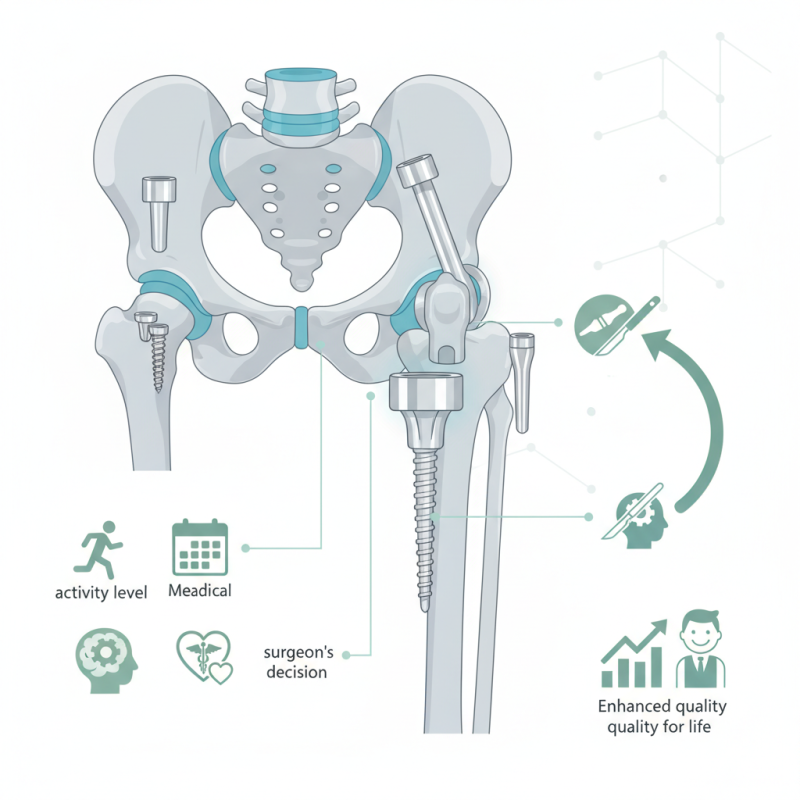
Surgeons must consider patient needs during this process. Factors include age, activity level, and specific medical conditions. While advancements in technology offer better options, not all implants are suitable for every patient. Often, surgeons face challenging decisions. They may question whether a newer implant design is the best choice or if a traditional one would suffice.
The complexity of this decision cannot be understated. A wrong choice could lead to complications down the line. This reality urges continuous learning and adaptation in the orthopedic field. Accurate implant selection drives not only surgical success but enhances patient quality of life significantly. This responsibility lies heavily on the shoulders of orthopedic professionals.
Understanding the Basics of Orthopedic Implants
Understanding the basics of orthopedic implants is crucial for making informed decisions during your surgery. These devices are designed to support or replace damaged bones and joints. They come in various shapes and materials, tailored for different medical needs. Knowing the right type is not always straightforward. Surgeons often weigh many factors before making a choice.
Materials used in implants usually include titanium, stainless steel, and polymers. Each material has its own advantages and drawbacks. For example, titanium is lightweight and strong but can be expensive. On the other hand, polymers may offer flexibility but might not withstand heavy loads. Many patients worry about biocompatibility. Patients can react differently. In rare cases, allergies may occur. Surgical techniques also play a vital role in the outcome. Poor techniques could lead to complications or implant failure.
Design also affects functionality. Some implants are designed for specific movements. Others aim for stability. Patients should engage in discussions with their healthcare providers. Questions about recovery timelines and potential risks should be explored. It's essential to remember that even well-designed implants have limitations. Recognizing these imperfections can guide better outcomes in treatment choices.
Types of Orthopedic Implants and Their Uses
When selecting an orthopedic implant, understanding the types is crucial. There are various implants available, each serving specific purposes. Common types include plates, screws, and rods. Plates stabilize fractured bones. Screws are often used with plates to provide additional support. Rods are typically used in spinal surgeries to enhance stability.
It's essential to consider the material of the implant. Titanium and stainless steel are popular choices due to their strength and biocompatibility. However, each material has its drawbacks. Titanium can sometimes be challenging to remove if necessary. This consideration is vital for long-term health.
**Tips:** Discuss your options with your surgeon. Ask about the risks and benefits of each type. Understanding the implications can help you feel more confident. Always inquire about the latest research on implant effectiveness. This knowledge can guide your choices more effectively and avoid needless complications.
Orthopedic Implant Types and Their Applications
Factors to Consider When Choosing an Implant
Choosing the right orthopedic implant is crucial for surgery success. Several factors should influence your decision. The type of procedure plays a significant role. Different surgeries require specific implant designs and materials to work effectively. Your surgeon's experience with various implants can also guide you.
Patient-specific needs are another important consideration. Factors like age, activity level, and overall health can impact implant choice. A younger, active person may need a different implant than an older, less active individual. Moreover, potential allergies to certain materials must be evaluated thoughtfully.
It’s essential to discuss the pros and cons of each option openly. Not every implant is perfect. Some may offer better initial stability but could lead to complications later. Reflecting on these details can drive better choices. An informed decision often leads to improved outcomes in recovery and mobility.
Consulting with Your Orthopedic Surgeon for Expert Advice
Choosing the right orthopedic implant is a crucial step in your surgical journey. Consulting with your orthopedic surgeon is essential for this decision. They possess the expertise to guide you through complex options. Their experience can provide clarity on the type of implant needed for your specific condition. You can discuss the advantages and disadvantages of different materials. Not every choice will be perfect; some may come with risks or complications.
Your surgeon will also consider your medical history and lifestyle. These factors can greatly influence which implant is suitable for you. It’s important to ask questions, even if they seem small. You may want to know how long the recovery may take. Or you might inquire about long-term outcomes. Addressing these points can give you a clearer understanding. Striving for the ideal match doesn't always mean perfection; there's often room for uncertainty. Open communication with your surgeon can help navigate this.
Post-Surgery Care and Monitoring of Orthopedic Implants
Post-surgery care is crucial for the success of orthopedic implants. After the surgery, patients often experience swelling and discomfort. According to a 2022 report from the American Academy of Orthopaedic Surgeons, about 30% of patients report complications related to improper post-operative care. Therefore, it's essential to follow your medical team's guidelines closely.
Tip: Keep an eye on your incision. Monitor for any signs of infection, such as increased redness or discharge. It’s important to engage in light movements to promote blood circulation. However, don't overdo it; pushing too hard can lead to setbacks. A careful balance is key.
Routine follow-ups play a significant role in monitoring the healing process. This can help in identifying issues early on. Regular X-rays may be required to check the alignment and stability of the implant. A study indicates that nearly 15% of implants require revision due to overlooked post-operative complications.
Tip: Maintain a journal of your symptoms and concerns. Sharing this with your healthcare provider can lead to more personalized care. A thoughtful review of your recovery can point out potential problems before they escalate. Always remember, recovery is a journey that requires patience and vigilance.
How to Choose the Right Orthopedic Implant for Your Surgery? - Post-Surgery Care and Monitoring of Orthopedic Implants
| Implant Type | Material | Indications | Post-Surgery Care | Monitoring Guidelines |
| Intramedullary Nail | Titanium | Femur Fractures | Pain Management, Rehabilitation Exercises | Regular X-rays, Check for Infection |
| Plate and Screws | Stainless Steel | Tibial Fractures | Wound Care, Limiting Weight Bearing | Follow-up Appointments, Pain Assessment |
| Joint Prosthesis | Cobalt-Chromium | Hip and Knee Replacement | Physical Therapy, Activity Modification | Regular Mobility Assessment, Imaging as Needed |
| Screw Fixation | Bio-absorbable Polymer | Ligament Repairs | Limited Activity, Periodic Check-ups | Inspect for Signs of Absorption, Pain Monitoring |