What is a Double Layer Anti Counterfeiting Label?
In today's world, the rise of counterfeit products poses a significant challenge for businesses. To combat this issue, the "Double layer Anti-counterfeiting Label" has emerged as a robust solution. This innovative label adds an extra layer of security, making it difficult for counterfeiters to replicate. Industry expert Dr. Emily Carter states, "The Double layer Anti-counterfeiting Label not only enhances brand protection but also builds consumer trust."
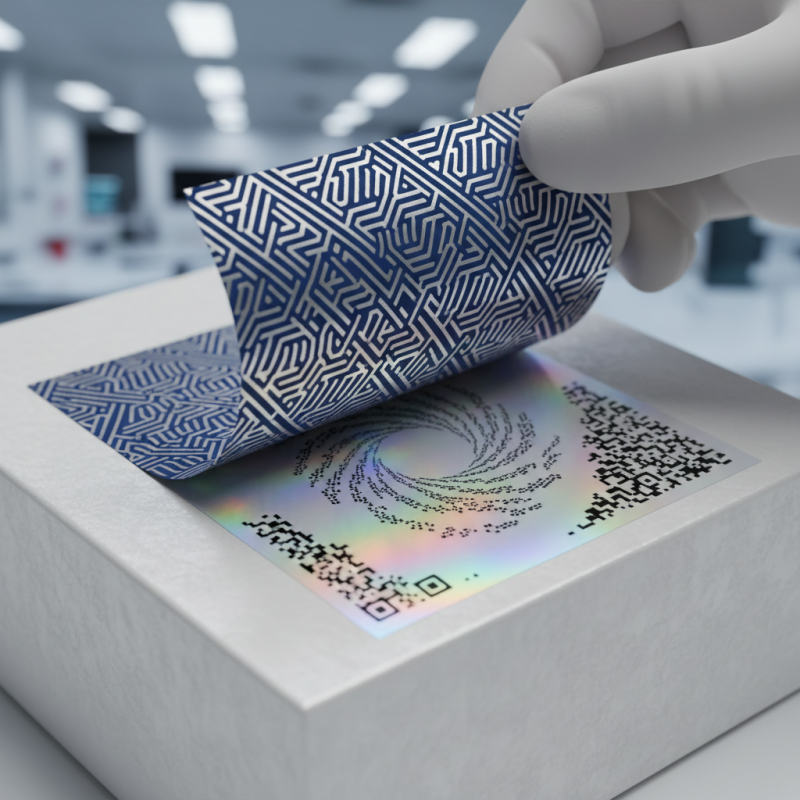
The first layer typically showcases unique designs or codes. The second layer often includes advanced features like holograms or QR codes. These combined elements create a more complex barrier against fraud. However, some businesses still struggle with implementation. They may overlook the importance of proper integration into their packaging processes.
While the Double layer Anti-counterfeiting Label offers many advantages, awareness and education are crucial. Many companies remain unaware of how these labels function effectively. It is essential to continuously evaluate and improve these measures. Relying solely on labels, without a comprehensive strategy, may lead to vulnerabilities. The fight against counterfeiting is ongoing, and innovation is key.
What Are Double Layer Anti Counterfeiting Labels?
Double layer anti-counterfeiting labels are innovative tools designed to enhance product security. These labels consist of two layers, providing a unique identification solution. The first layer often features visible markings or holograms, while the second layer may contain advanced technology like QR codes or RFID chips. This combination increases the complexity for counterfeiters. They face greater challenges in replicating the unique features found in these labels.
The design of double-layer labels offers various benefits. They are durable and resistant to wear, ensuring longevity on products. Additionally, they can be customized to fit diverse industries. For instance, a food product may use vibrant graphics on the outer layer, while the inner layer might hold track-and-trace information. However, not all double layer labels are created equal. Some may lose effectiveness over time, especially in harsh environments.
It's crucial for businesses to consider the specific needs of their products. Label placement and visibility can also impact effectiveness. Poor positioning might lead to limited scanning capabilities or hidden details. Without thoughtful design, even advanced technology can fail to deter counterfeiters. Balancing security with aesthetics is an ongoing challenge in label development.
The Technology Behind Double Layer Anti Counterfeiting Labels
Double layer anti-counterfeiting labels feature a unique technology that enhances product security. These labels consist of two layers, each with distinct visual effects. The top layer often includes intricate patterns or images that reveal intricate designs when viewed from different angles. The bottom layer typically uses advanced printing techniques to display information like barcodes or QR codes, adding a layer of functionality.
These labels utilize special inks and coatings that can react to light or temperature changes. This dynamic interaction makes them hard to replicate. However, the technology is not infallible. Counterfeiters are becoming increasingly sophisticated. They might attempt to mimic the aesthetic but often miss the functionality. This gap highlights the ongoing need for innovation in security features.
While double layer labels improve protection, reliance on technology can also lead to complacency. Some consumers may overlook manual verification and rely solely on the label's integrity. Regular training on how to identify genuine versus counterfeit products could bridge this gap. The challenge remains in balancing technology and education to create a robust defense against counterfeiting.
Benefits of Double Layer Anti Counterfeiting Labels in Various Industries
Double layer anti-counterfeiting labels offer numerous benefits across different industries. These labels consist of two layers that enhance security features. The top layer often contains unique holographic images, while the bottom layer may have barcodes or QR codes. This combination makes it difficult for counterfeiters to replicate them accurately. As a result, businesses can protect their products and brands more effectively.
One advantage is improved consumer trust. When customers see these security features, they feel more secure in their purchases. This is especially important in sectors like pharmaceuticals, where authenticity is crucial. Additionally, manufacturers can reduce losses from counterfeit goods. With greater protection, both consumers and businesses benefit.
Tips for ensuring effectiveness: Keep design simple yet unique. Overly complex designs may confuse consumers. Also, educate your customers. They should know how to detect authentic products. Regularly update your anti-counterfeiting strategies. Relying on old methods can lead to vulnerabilities. Always stay one step ahead of counterfeiters.
Market Trends and Growth in Anti Counterfeiting Solutions
The demand for anti-counterfeiting solutions is rising. A recent report shows that the global anti-counterfeiting market is projected to reach $2.6 billion by 2025. This growth reflects a heightened need for brands to protect their identities. Businesses are increasingly targeting counterfeiters with innovative solutions.
Double-layer anti-counterfeiting labels stand out in this landscape. These labels enhance security with two distinct layers of protection, making replication difficult. The first layer includes visible markings, while the second layer is often hidden and detectable only through specific technology. This combination elevates the challenge for counterfeiters. As technology evolves, so do the techniques employed by counterfeiters, pushing the need for smarter solutions.
**Tip:** Invest in dual-layer labels for robust security. This can deter counterfeit attempts efficiently. Continuous monitoring and updating of anti-counterfeiting measures are crucial.
In addition, companies must remain aware of trends in consumer awareness. Shoppers are becoming informed about counterfeit risks. Many choose brands based on their commitment to authenticity. Businesses should ensure transparency in their anti-counterfeiting measures to build trust. Ultimately, the landscape is complex, but focused strategies can turn challenges into opportunities.
Case Studies: Success Stories of Double Layer Labels in Action
Double layer anti-counterfeiting labels have gained traction in various industries. These labels feature two layers, each with unique security elements. They provide brand protection along with consumer confidence. A recent report by the International Trademark Association found that 75% of consumers preferred products with visible anti-counterfeiting features.
In the fashion industry, some companies have reported significant success using double layer labels. They noted a 40% reduction in counterfeit incidents after implementation. The labels incorporate advanced technologies like QR codes that link to product histories. This transparency fosters trust among buyers. However, some brands face challenges in integrating these labels into their supply chain processes. Ensuring staff training and customer awareness remains crucial.
Pharmaceutical companies have also adopted these labels effectively. A study revealed that 80% of patients felt more secure using products with layered security. This increased confidence can lead to higher sales. Still, it's essential to evaluate production costs. Some reports highlight that the initial investment may deter smaller businesses. Implementing these systems requires careful planning and financial consideration.
Success Stories of Double Layer Anti Counterfeiting Labels