What is Glutamic Acid Residue and Why is it Important?
glutamic acid residue plays a vital role in protein structure and function. It is an amino acid that contributes to the overall stability of proteins. This residue is often found in enzymes and receptors, influencing their activity. The presence of glutamic acid can affect how proteins interact with other molecules.
Understanding glutamic acid residue is crucial for various fields, including biochemistry and drug development. Its unique properties enable it to act as a neurotransmitter, affecting communication in the brain. However, not all functions of glutamic acid are fully understood. This leaves room for further exploration.
Research into glutamic acid residue can lead to significant discoveries. Yet, the complexity of its role in biological systems presents challenges. Scientists must navigate these complexities carefully. The importance of glutamic acid residue cannot be overstated, as it holds potential for advancements in science and medicine.
Definition of Glutamic Acid Residue in Biochemistry
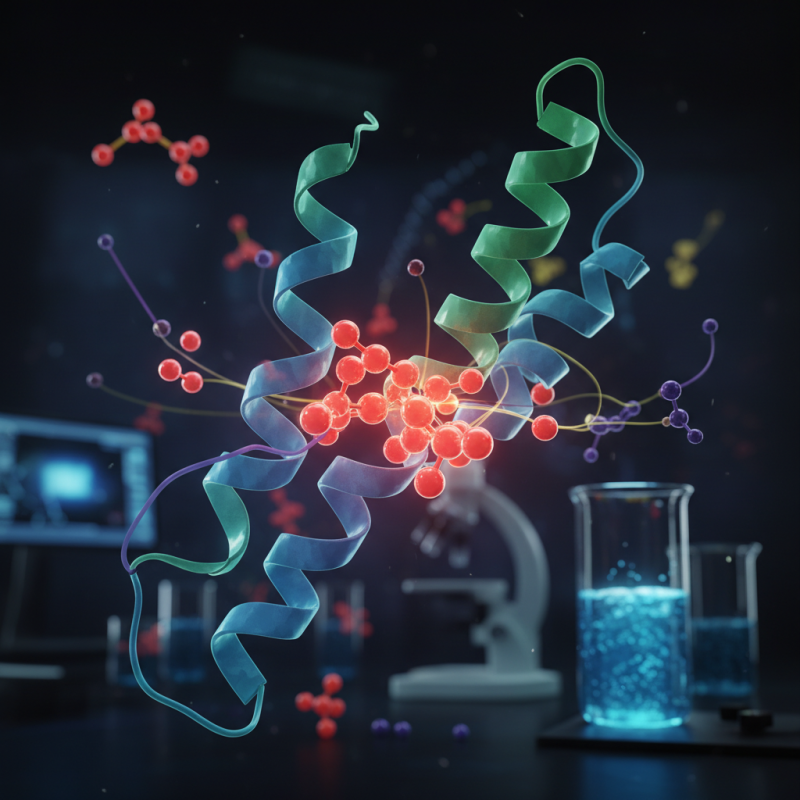
Glutamic acid residue is a critical component in biochemistry. It arises from the amino acid glutamic acid, which is vital for protein structure and function. In proteins, glutamic acid can appear in various forms, impacting how proteins fold and interact.
These residues play a role in enzymatic reactions and signal transduction. Their negative charge at physiological pH helps stabilize protein structures. Glutamic acid can form hydrogen bonds, enhancing protein interactions. Such interactions are essential in cellular processes, including metabolism and neurotransmission.
Historically, attention on glutamic acid has fluctuated. Some studies suggest potential roles in cognitive function, while others indicate risks in excess amounts. This complexity raises questions about our understanding of glutamic acid residues. While they are fundamental, their behaviors and effects can be unpredictable.
Role of Glutamic Acid Residue in Protein Structure and Function
Glutamic acid residue plays a pivotal role in protein structure and function. This amino acid is integral in forming the protein's three-dimensional shape. It often participates in forming salt bridges and hydrogen bonds, crucial for stability. Glutamic acid can also influence a protein's active site, impacting its enzymatic activity. Research indicates that over 20% of all proteins contain glutamic acid; it's a key player in biological pathways.
The importance of glutamic acid extends beyond structure. It is involved in neurotransmission. In the central nervous system, it acts as an excitatory neurotransmitter. This role is vital for learning and memory. Studies show that dysregulation of glutamate can lead to neurodegenerative diseases. Understanding its role can inform therapeutic strategies.
Tips: Incorporate foods rich in glutamic acid, such as nuts and soy products. Understanding your diet can improve your cognitive health by supporting neurotransmitter balance. Regularly review your diet and adapt based on your findings. Small changes may yield significant benefits.
What is Glutamic Acid Residue and Why is it Important? | Dimension | Description |
| Chemical Structure | Glutamic acid is an alpha-amino acid with the formula C5H9NO4, characterized by a carboxylic acid functional group. |
| Role in Proteins | It acts as a neurotransmitter and plays a crucial role in the synthesis and functioning of proteins. |
| Importance in Enzyme Activity | Glutamic acid residues can form crucial interactions within the active sites of enzymes, influencing their catalytic efficiency. |
| Involvement in Signaling | It is essential in synaptic transmission and plays a role in cognitive functions and learning. |
| pH and Ionization | The side chain of glutamic acid can ionize, which affects the protein folding and stability at different pH levels. |
| Chemical Modifications | It can undergo post-translational modifications, such as methylation and phosphorylation, impacting protein function dynamically. |
Importance of Glutamic Acid in Neurotransmission and Metabolism
Glutamic acid, an amino acid, plays a crucial role in neurotransmission. It acts as the primary excitatory neurotransmitter in the brain. This means it helps transmit signals between nerve cells, facilitating communication. In fact, studies show that nearly 90% of synapses in the human brain utilize glutamic acid. Its presence enhances cognitive functions, including learning and memory.
In metabolism, glutamic acid contributes significantly to energy production. It helps in synthesizing other amino acids and neurotransmitters. Research indicates that glutamic acid is vital in maintaining energy balance within cells. However, excessive levels can lead to excitotoxicity, potentially causing neuronal damage. Such complexity illustrates the importance of regulating glutamic acid levels carefully.
Interestingly, it's worth noting that glutamic acid isn't just a simple building block. It also participates in cellular signaling pathways. Imbalances may lead to conditions like depression and anxiety. The relationship between glutamic acid and mental health requires further examination. Understanding this amino acid could unlock new treatment avenues.
Importance of Glutamic Acid in Neurotransmission and Metabolism
Applications of Glutamic Acid Residue in Medicine and Nutrition
Glutamic acid residue plays a pivotal role in both medicine and nutrition. In the realm of medicine, it serves as a neurotransmitter. Research indicates that glutamate signaling is crucial for cognitive functions. According to a report by the Neuroscience Foundation, abnormal signaling can lead to neurodegenerative diseases. This indicates that maintaining proper levels of glutamic acid is essential for brain health.
In nutrition, glutamic acid is often classified as a semi-essential amino acid. It contributes to protein synthesis and energy production. A study from the Journal of Nutritional Science highlights that diets rich in glutamic acid can enhance muscle recovery post-exercise. Moreover, it can improve gut health by acting as an energy source for intestinal cells. Many people overlook these benefits.
Despite its importance, some challenges exist. Not everyone consumes adequate amounts through diet. Some individuals may not absorb it effectively. This creates opportunities for improving dietary guidelines. Research could further uncover the full potential of glutamic acid in daily nutrition and health. Exploring these avenues may yield beneficial insights for better health outcomes.
Research Advances on Glutamic Acid and Its Implications for Health
Glutamic acid is critical for many bodily functions. Research emphasizes its role in neurotransmission and metabolism. This amino acid, found in proteins, significantly influences brain health. Studies suggest it aids communication between nerve cells.
Recent findings indicate that glutamic acid may impact mental health. For instance, a study published in *Frontiers in Psychiatry* showed high levels linked to anxiety and depression. Lower levels, on the other hand, correlated with improved mood stability. These insights are reshaping our understanding of mental disorders.
Tips: For better mental well-being, consider including glutamate-rich foods in your diet. This includes tomatoes, cheese, and mushrooms. Monitor your intake, as excessive amounts may lead to health issues. Always consult a healthcare provider before making significant dietary changes. Balancing your nutrient intake is essential; too much emphasis on one amino acid can lead to imbalances.