Top Tips for Choosing the Right Die Casting Molds?
Choosing the right Die Casting Molds is a crucial step in the manufacturing process. The quality and performance of these molds directly impact the final product. It’s not just about picking any mold; it’s about understanding specific needs. Each project demands unique considerations.
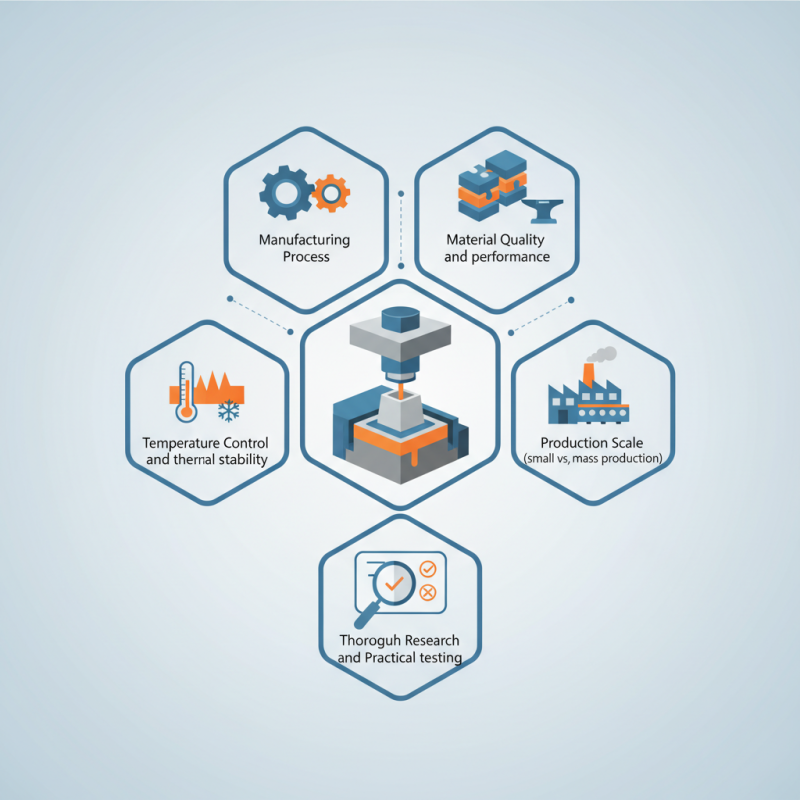
There are many factors to explore. The material of the mold affects longevity and precision. Consider how different alloys behave under pressure. Temperature control is also vital. Inconsistent temperatures can lead to defects. Look for molds that offer reliable thermal stability.
Reflect on your production scale. Small runs need different mold features than mass production. A mold might perform well in one setting but falter in another. Therefore, it is essential to constantly evaluate and adapt choices. Understanding these nuances can lead to improved outcomes. Ultimately, thorough research and practical testing are key. Experience will shed light on what works best for your specific applications with die casting molds.
Understanding Die Casting Molds: An Overview of Their Importance
Die casting molds play a crucial role in the manufacturing process. They define the shape and quality of the final product. A well-designed mold ensures precision and efficiency. Poor molds can lead to defects and increased production costs. Therefore, understanding their importance is vital for any manufacturer.
When selecting die casting molds, it's essential to consider several factors. Material selection is critical. Molds made from durable materials withstand high temperatures and pressures. The mold design should also allow for easy ejection of the final product. Complex designs may require advanced features, which can complicate the process.
Tip: Evaluate the mold's cooling system. Efficient cooling can enhance cycle times and improve part quality.
Another aspect is the mold's maintenance. Regular upkeep can prevent costly downtime and ensure consistent production. If molds wear out quickly, it may indicate design flaws.
Tip: Look for molds with a simple design that facilitates easy maintenance. Simplistic designs reduce errors and enhance longevity.
Finally, always evaluate production needs. A mold suitable for one product may not suffice for another. Assessing these factors helps in making informed decisions.
Key Factors to Consider When Selecting Die Casting Molds
When selecting die casting molds, several key factors can influence the success of your projects. The mold design must accommodate the specific material type. For instance, aluminum alloys often require different considerations than zinc. According to industry reports, over 50% of defects stem from mold design issues. This highlights the importance of precise engineering.
One crucial tip is to assess production volume. For high-volume runs, investing in durable, high-quality molds is essential. These molds can withstand the wear and tear from increased cycles. On the contrary, low-volume projects might benefit from simpler, less costly molds. This approach minimizes upfront costs while maintaining efficiency.
Material selection is also vital. 68% of industry experts recommend evaluating both thermal and chemical properties of mold materials. This can impact cycle times and product quality. Lastly, ensure to collaborate closely with your manufacturer. Miscommunications can lead to delays and errors, creating unexpected hurdles. Taking these factors into account can significantly improve the effectiveness of your die casting process.
Materials Used in Die Casting Molds and Their Impact on Performance
Choosing the right materials for die casting molds significantly affects performance. Common choices include steel and aluminum. Steel molds offer durability and higher melting resistance. However, they are more expensive and can take longer to produce. In contrast, aluminum molds are cheaper and provide faster cycle times but may not withstand high pressures as steel does.
Research shows that around 80% of die casting failures stem from inadequate mold materials. For instance, using substandard aluminum can lead to defects in the final product. Productivity may drop by 30% if molds wear out quickly. In short, the material's impact on longevity and defect rates cannot be overlooked.
Moreover, temperature fluctuations can cause issues with some materials. For instance, certain aluminum alloys can warp under heat stress. This variation can lead to inconsistent part sizes. Therefore, careful material selection is crucial to achieving desired performance levels. The aim should be to balance cost and quality.
Evaluation Techniques for Assessing Mold Quality and Reliability
When selecting die casting molds, assessing their quality is crucial. Accurate evaluation techniques can make a significant difference. Start by examining the material properties of the molds. Different alloys have various strengths and weaknesses. A mold made with high-quality materials is more reliable and lasts longer.
Visual inspections are essential. Look for surface defects and unevenness. Small flaws can lead to significant production issues. Consider using a magnifying glass to catch tiny inconsistencies. You can also employ ultrasonic testing. This method reveals internal defects that are not visible to the naked eye.
Testing the molds under real-world conditions is another strong technique. Conduct trial runs and monitor the produced parts closely. Check for dimensional accuracy and surface finish. This process helps identify any potential issues before full-scale production. It’s a practical way to ensure that the mold meets your specific needs.
Need more tips? Always track the mold’s performance over time. Document any wear or failure behaviors. Understanding these patterns aids in choosing future molds. Reliability is vital; your reputation depends on it.
Top Tips for Choosing the Right Die Casting Molds
| Evaluation Criteria | Description | Importance Level | Recommended Actions |
| Material Selection | Choosing the right alloy for the mold can affect the durability and finish of the cast product. | High | Research material properties and choose materials that match your production requirements. |
| Design Complexity | Molds with complex geometries may require advanced design capabilities. | Medium | Evaluate design software capabilities and mold maker expertise. |
| Cooling System Efficiency | An efficient cooling system reduces cycle time and increases productivity. | High | Inspect cooling channels and temperature control methods used in mold design. |
| Surface Finish | The surface finish of the mold impacts the quality and finish of the cast parts. | High | Check previous work samples and understand the finishing processes employed. |
| Mold Life Cycle | Understanding how long a mold can last under production pressure is crucial. | Medium | Evaluate testimonials and history of similar molds from the manufacturer. |
| Cost Efficiency | Assessing the cost of mold production vs. quality returned is essential for budgeting. | High | Obtain multiple quotes and assess value rather than just price. |
Cost Considerations in Choosing the Right Die Casting Molds
When selecting die casting molds, cost is a crucial factor. Various studies show that tooling costs can range from $5,000 to $100,000, depending on complexity. Manufacturers often overlook additional expenses. Maintenance and adjustments add up over time, impacting the total budget.
Material selection also plays a role in cost. For instance, aluminum molds are cheaper upfront than steel molds. However, steel molds offer greater durability. A report from the Die Casting Trade Association indicates that investing in durable materials often leads to lower long-term costs. Yet, the initial investment may deter some companies.
Additionally, production volume influences overall cost-effectiveness. High-volume production can justify higher mold prices. Conversely, low-volume runs can make expensive molds problematic. Always consider your production needs. Balancing upfront costs with lifetime expenses is essential for smart decision-making.