Top 10 Things You Need to Know About DERCHI?
In today's rapidly evolving technology landscape, DERCHI is becoming a vital topic for many professionals. The Distributed Energy Resource Climate Honesty Initiative (DERCHI) is gaining traction as a framework for integrating sustainable energy solutions. According to a recent report by the International Energy Agency, distributed energy resources could provide up to 30% of global electricity by 2030. This shift highlights the importance of understanding DERCHI’s impact on the energy ecosystem.
Expert James Carter, a leading voice in the DERCHI field, states, “Embracing DERCHI means rethinking our energy delivery systems.” His perspective underscores the need for adaptation in a world where conventional energy sources are no longer the sole focus. As industries strive for sustainability, the integration of DERCHI becomes even more critical.
However, the path forward is not without challenges. Implementation can be fragmented and inconsistent across regions. Many practitioners still lack comprehensive knowledge about DERCHI strategies. This information gap can lead to missed opportunities and stalled innovation. As we explore the top ten things to know about DERCHI, it is essential to acknowledge these complexities and reinforce the importance of continuous learning in this domain.
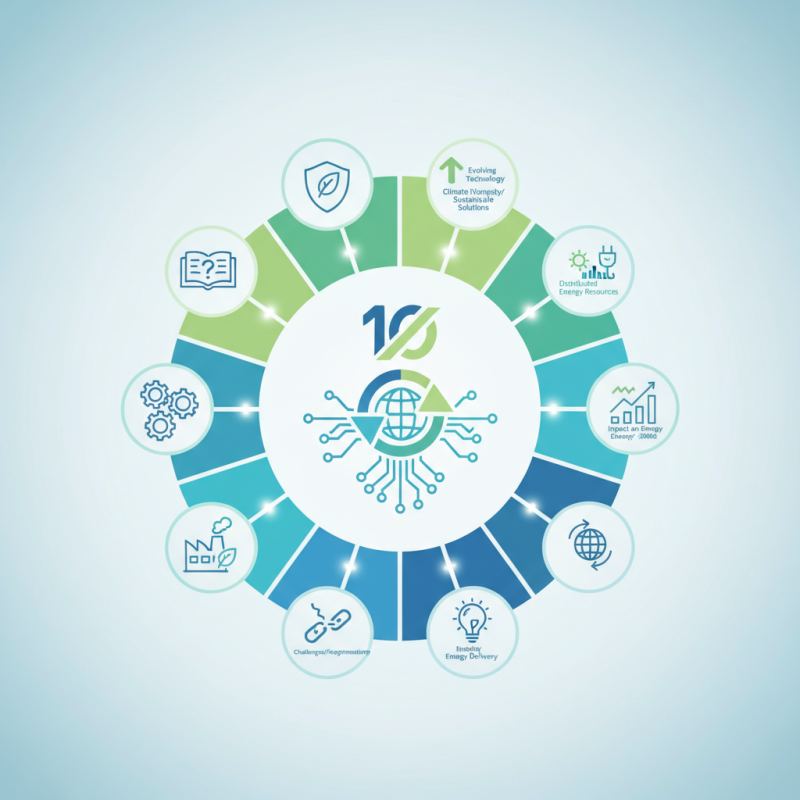
What is DERCHI and Its Role in the Supply Chain Ecosystem?
DERCHI, short for Distributed Energy Resource Coordination Hub Initiative, plays a crucial role in today’s supply chain ecosystem. This platform facilitates the integration of various renewable energy sources, enhancing energy efficiency. It connects suppliers, manufacturers, and consumers to optimize resources.
Incorporating DERCHI can significantly reduce operational costs. However, not all organizations are fully prepared for this shift. Many lack the necessary infrastructure or knowledge to integrate these resources effectively. This gap can lead to operational inefficiencies.
Tip: Assess your current supply chain structure. Identify areas where renewable energy could replace traditional sources.
Another concern is the variability of renewable energy sources. Carrying out an in-depth analysis is essential. Understand how fluctuations in energy supply can impact your production schedules.
Tip: Stay informed about energy trends. Flexibility and adaptability will aid smooth transitions. Embrace these challenges as opportunities for growth.
Understanding DERCHI's Core Technologies and Innovations
DERCHI is making waves in the tech industry with its innovative approach. Their core technology focuses on creating more efficient systems. Energy efficiency is one of their primary concerns. They aim to reduce waste while improving performance.
One of their standout innovations is in smart management systems. These systems optimize energy consumption in real-time. Users can monitor their energy use easily. However, sometimes the interface can be complicated for beginners. Instructional support is often needed for effective use.
Another notable feature is their adaptive algorithms. These algorithms learn from usage patterns over time. While this is impressive, there are moments when they struggle to adapt. Users may experience delays in updates. Continuous feedback is crucial for refining these technologies.
Market Trends: The Growth of DERCHI in the Industry
The market for DERCHI is rapidly evolving. Recent trends indicate a significant uptick in popularity. Many industries are starting to embrace DERCHI technologies. This shift seems driven by a push for sustainability and efficiency. Companies are recognizing the benefits of incorporating these systems into their operations.
However, not all organizations adapt smoothly. Some struggle to understand the technology. Others face challenges in integrating it into existing frameworks. The learning curve can be steep, leading to hesitancy. A few reports indicate that some players may overlook essential training. This oversight could hinder their potential success in the long term.
Despite these issues, the excitement around DERCHI continues to grow. Users report increased cost savings and enhanced performance. The overall sentiment is encouraging, but caution is essential. Some anticipate potential pitfalls as the market matures. Staying informed and flexible is crucial for anyone involved in this transition.
Key Metrics: Evaluating DERCHI's Impact on Efficiency and Sustainability
DERCHI has become a focal point in driving efficiency and sustainability. Its innovative approach focuses on minimizing waste while maximizing output. Companies that adopt DERCHI's principles often see notable improvements in their operational metrics. Reducing carbon footprints is one key area where results can be quantified.
Efficiency metrics reveal the effectiveness of these strategies. For instance, energy consumption rates decrease significantly when DERCHI is implemented. Monitoring these rates is crucial for ongoing improvements. Real-time analytics can help businesses make informed adjustments swiftly.
Tip: Regularly assess your energy metrics. Small changes can lead to big impacts.
Sustainability also plays a vital role. Organizations focusing on DERCHI often enhance their reputation. Employees feel proud to work for a sustainable brand. However, some companies struggle to align their practices with DERCHI principles fully.
Tip: Engage employees in sustainability talks. Their feedback may highlight overlooked areas.
After all, the path to efficiency and sustainability is not always straightforward. It requires commitment and constant reflection. Every step forward can yield valuable lessons, showing areas for growth.
Future Outlook: Predictions for DERCHI's Development and Adoption
As we look to the future of DERCHI, predictions reveal a landscape of innovation and potential. Enthusiasts believe that DERCHI will bridge gaps in various industries. New applications are emerging rapidly. Many experts claim that integration with existing systems is crucial. However, challenges remain in achieving seamless connectivity. Developers must stay attentive to these obstacles.
Adoption rates are likely to vary. Some regions may embrace DERCHI sooner than others. This uneven progression could lead to disparities in technology access. Many stakeholders are closely monitoring trends. Improvements in education and resources can foster better understanding. Collaboration among industries may enhance acceptance as well. Yet, skeptics caution against premature optimism.
Potential pitfalls are worth noting. Overconfidence could hinder realistic assessments of DERCHI's impact. Questions about sustainability and long-term viability linger. Decision-makers must consider these factors seriously. Community engagement is essential for feedback and support. Fostering dialogue will be key to navigating this evolving landscape. As exploration continues, attention to detail will shape DERCHI's trajectory.