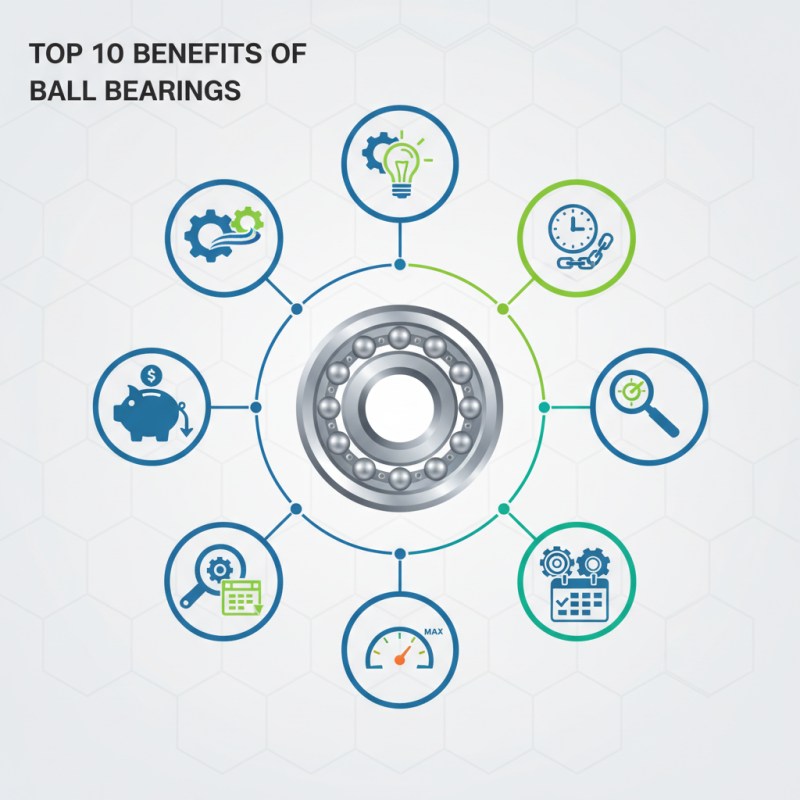
Top 10 Benefits of Ball Bearings You Should Know?
Ball Bearings play a vital role in modern machinery. Their unique design allows for smooth movement in various applications. Many people overlook the importance of this small but powerful component.
One major benefit of ball bearings is reduced friction. They help parts move freely, increasing efficiency. Another advantage is longevity. Well-maintained ball bearings can last for years. This longevity saves time and money on replacements.
Additionally, ball bearings enhance precision in mechanical systems. They ensure that machines operate accurately. However, not all ball bearings are created equal. Choosing the right type is essential. It’s crucial to understand their specifications. Ignoring this can lead to performance issues and unexpected downtime. Understanding these benefits allows you to appreciate the impact of ball bearings in everyday life.
Top Benefits of Ball Bearings in Industrial Applications
Ball bearings play a crucial role in industrial applications. They reduce friction between moving parts, which increases efficiency and extends equipment life. Without them, machines would wear out quickly. This is especially important for heavy machinery in production lines.
Using ball bearings helps maintain consistent performance. They are designed to handle various loads. This design can be more complex than it seems. Not all bearings are suitable for every application. It’s important to choose wisely based on the specific needs of your machinery.
Tips: Regular maintenance is essential. Check for signs of wear and tear. Lubricate your ball bearings regularly to keep them functioning smoothly. Also, consider the operating environment. High temperatures or contamination can affect performance. Always keep a close eye on these factors to avoid unexpected downtime.
Enhanced Rotational Efficiency Through Reduced Friction in Bearings
Ball bearings play a crucial role in reducing friction, which enhances rotational efficiency. They allow smooth movement between parts. This smoothness is essential in various machines and vehicles, where even a small reduction in friction can lead to substantial energy savings. For example, think about the movement of a bicycle wheel. The difference in performance with and without ball bearings is quite dramatic.
Friction can be a double-edged sword. While some friction is necessary for grip, excessive friction causes wear and heat. This slows down machines and makes them less efficient. Ball bearings minimize that friction, improving overall function. However, the quality of the bearings matters. Not all bearings perform similarly, and some may fail quickly. Regular maintenance of bearings is crucial. Neglected bearings can lead to mechanical failure, causing more friction than intended. This highlights the importance of not just having ball bearings, but also understanding when they need attention.
Longevity and Reliability: Impact of Ball Bearings on Equipment Life
Ball bearings play a crucial role in improving equipment longevity and reliability. When machines operate with smooth motion, wear and tear is minimized. This reduction in friction prolongs equipment life significantly. For example, in industrial machinery, ball bearings facilitate smoother rotations. This makes components less prone to overheating and premature failure.
However, the choice and maintenance of ball bearings can be a challenge. Selecting the right type for specific applications is critical. Misalignment may lead to increased wear. Regular inspections can catch issues early, but often they're overlooked. It's easy to assume that bearings will always perform well. Yet, neglecting minor details can lead to significant problems down the line.
The environment also impacts performance. Dust and moisture can hinder effectiveness. Ensuring proper seals and lubricants is essential for longevity. Still, many users forget these aspects. It’s a reminder that, while ball bearings enhance reliability, careful management is equally important. Without attention to these factors, even the best components can fail.
Top 10 Benefits of Ball Bearings: Longevity and Reliability
This chart illustrates the top ten benefits of ball bearings, rated on a scale from 1 to 10. Each benefit contributes significantly to the longevity and reliability of equipment, leading to enhanced operational performance.
Cost Savings from Improved Energy Efficiency in Machinery Usage
Ball bearings are essential components in many machines. They enhance performance through reduced friction. One of the most significant benefits is cost savings from improved energy efficiency. When machines run smoother, they consume less energy. This translates into lower utility bills for companies.
Additionally, energy-efficient machinery tends to have a longer lifespan. With less wear and tear, maintenance becomes less frequent. Companies can save further on repairs and replacements.
It’s worth noting that not all setups will result in noticeable savings. Some machinery may not benefit as much from new ball bearings. Regular assessments are crucial to determine the efficiency gains.
Tips for maximizing energy efficiency include regularly checking bearing conditions. Replace worn or damaged bearings promptly. Make adjustments to align and lubricate bearings properly. Small changes can lead to significant energy savings over time. A proactive approach is often key to maintaining efficiency and reducing costs in the long run.
Versatility of Ball Bearings Across Multiple Industries and Applications
Ball bearings play a crucial role across various industries. They enhance efficiency and reduce friction in machines. According to a report by Global Industry Analysts, the ball bearing market is expected to reach $100 billion by 2027. This shows their widespread application and importance.
In the automotive sector, ball bearings are essential for smooth operation. They enhance the performance of engines and reduce wear. For example, electric vehicles heavily rely on high-quality ball bearings for improved efficiency. The aerospace industry also benefits significantly. Bearings are used in engines and landing gear systems. A malfunction can lead to serious consequences, emphasizing the need for reliability.
However, not all applications receive the same attention. Some industries underappreciate the role of quality in bearing selection. Poor choices can result in increased maintenance costs. For instance, bearing failures in industrial machinery can lead to production downtime. This reflects the importance of understanding specific requirements for each application. An informed decision can save time and resources in the long run.